 Ћирилица
 Latinica
 English

MATICA SRPSKA MARKS TWO CENTURIES OF CONTINUITY
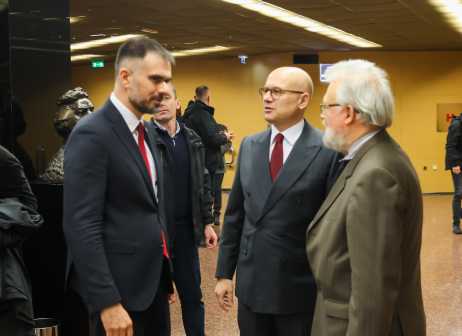
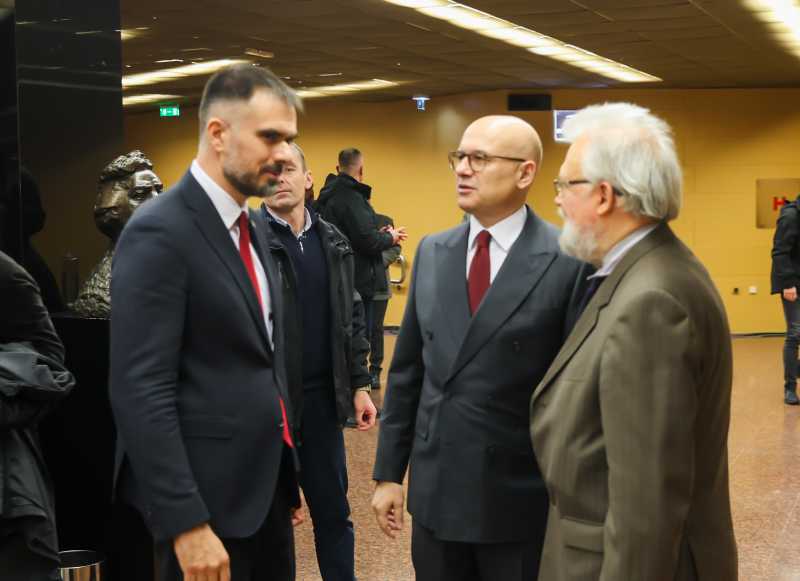
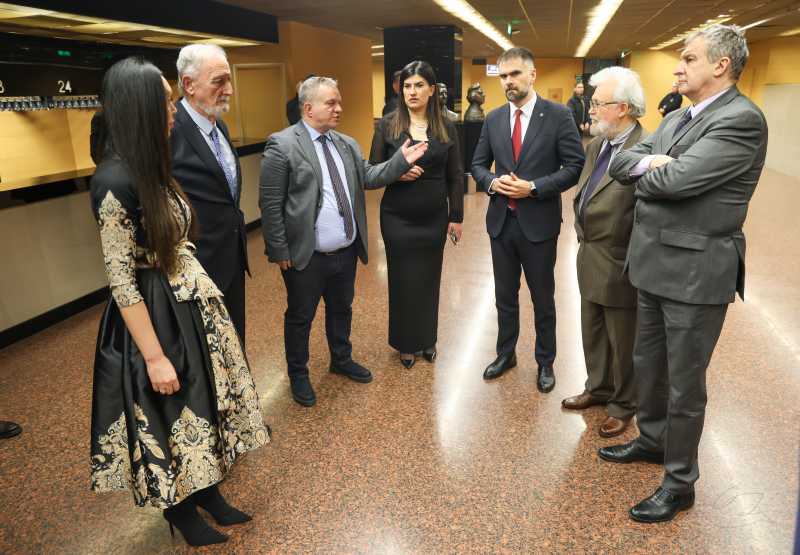
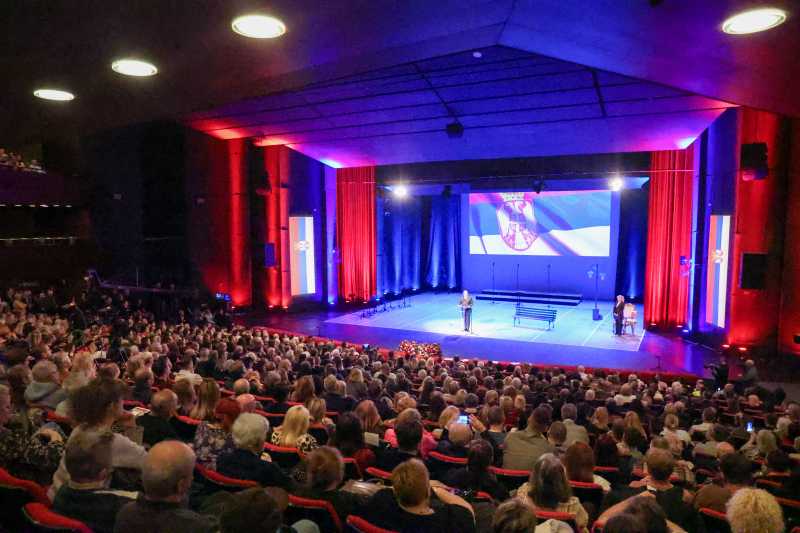
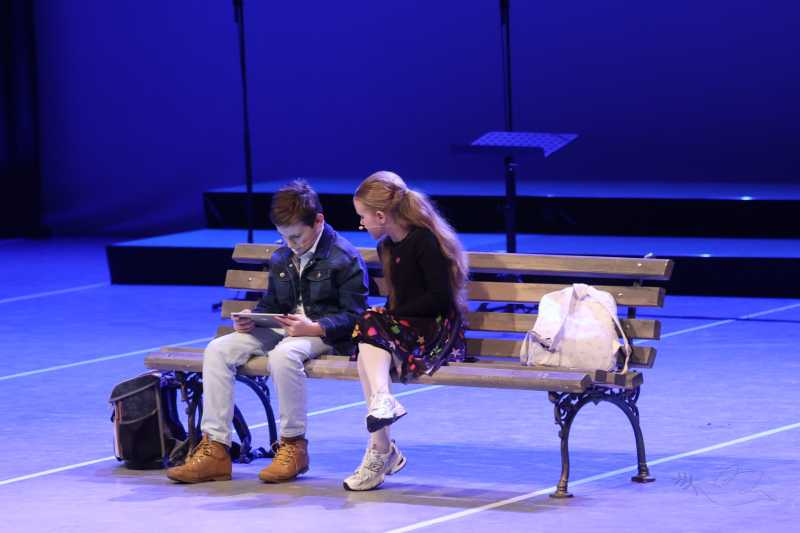
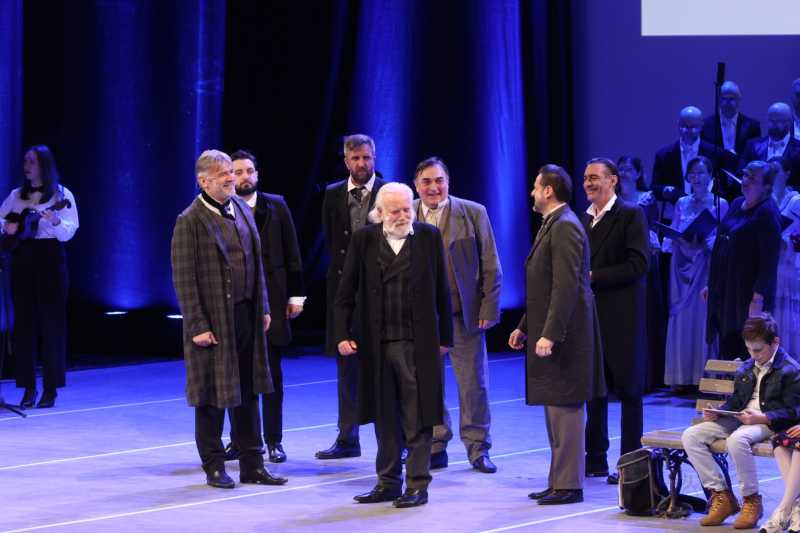
The Mayor of Novi Sad, Žarko Mićin, attended the Ceremonial Academy held at the Serbian National Theatre to mark the 200th anniversary of the founding of Matica srpska, the oldest literary, cultural and scholarly institution of the Serbian people, on the date of its establishment in Pest in 1826. Matica srpska was founded with the aim of preserving the identity, culture, language and historical memory of the Serbian people in the Habsburg Monarchy, and it was relocated to Novi Sad in 1864.
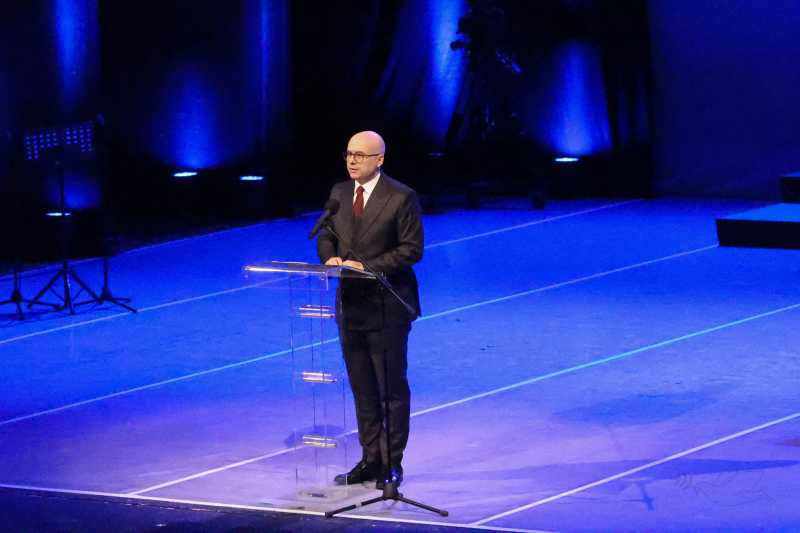
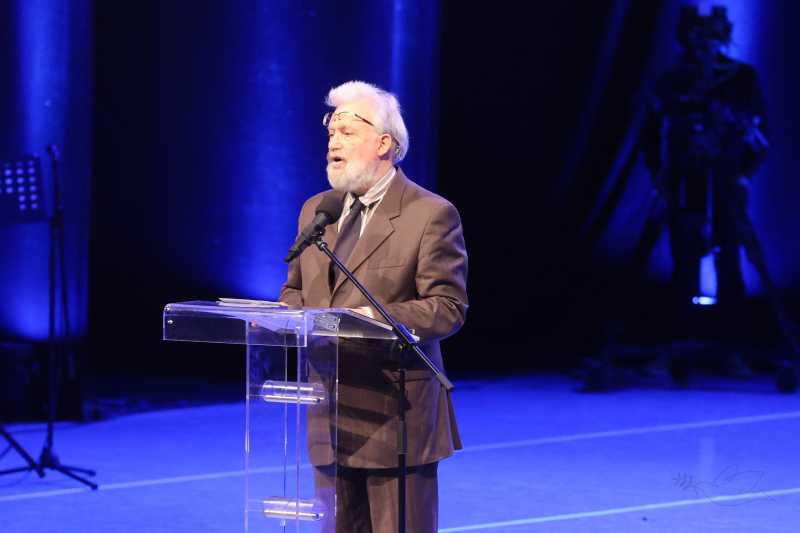
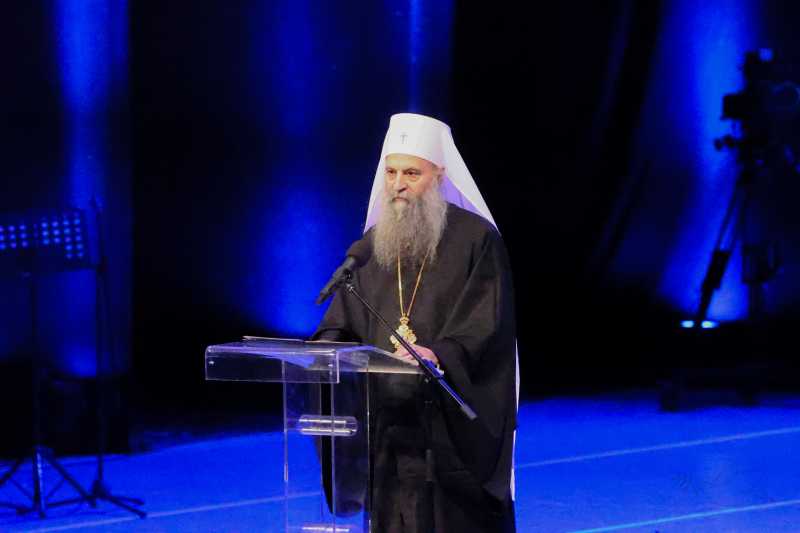
Alongside a rich cultural and artistic programme, those present were addressed by the Envoy of the President of the Republic of Serbia, Miloš Vučević, His Holiness Serbian Patriarch Mr Porfirije, and the President of Matica srpska, Prof. Dragan Stanić,Phd.
On this occasion, Mayor Mićin extended his congratulations to President Stanić and the employees of Matica srpska.
– On the occasion of this great jubilee, marking 200 years since the founding of Matica srpska, I extend my congratulations on nearly two centuries of work as one of the pillars of Serbian culture, science and national identity. When speaking of Matica srpska as a cornerstone of Serbian culture and spirituality, it is only natural to recall the legacy of Saint Sava, which has shaped the identity of our people for centuries. The work of Saint Sava laid the foundations of Serbian spirituality, education and cultural self-awareness, and it was upon these very foundations that Matica srpska emerged in the 19th century as a modern institutional expression of that same aspiration. With the relocation of Matica srpska to Novi Sad in 1864, our city gained not only a prestigious cultural institution, but also a strong spiritual anchor that has permanently shaped its identity. It is precisely thanks to Matica srpska that Novi Sad came to be known as the “Serbian Athens”, as it gathered around it the most educated, gifted and dedicated figures of Serbian culture. When reflecting on Matica srpska and its importance for Novi Sad and Serbian culture as a whole, it is natural to recall the figure of Svetozar Miletić, whose 200th birth anniversary we are commemorating this year with particular respect, as he played a significant role in establishing Matica srpska as the cornerstone of the city’s and the nation’s cultural and spiritual life. Today, we are not merely marking the anniversary of an institution, but reaffirming the importance of the idea that culture, knowledge and spirituality represent the cornerstone of every nation. Therefore, this jubilee is not only an occasion for celebration, but also a powerful encouragement to continue preserving, developing and passing on to future generations what our predecessors entrusted to us, our language, culture, memory and national identity. With sincere respect for all those who have built Matica srpska over the course of two centuries, we remain firmly convinced that it will continue in the future to stand as one of the most important pillars of Serbian culture, a source of pride for Novi Sad and a steadfast guardian of the spiritual and national continuity of our people. And Novi Sad, the city which grew into the Serbian Athens alongside Matica srpska, will remain its reliable support and ally – a city that understands that its strength lies in culture, knowledge and in the institutions that safeguard our identity – said Žarko Mićin.
Novi Sad, 16 February 2026.

Contact information
Phone:
+381 21 420-066
Address:
Trg slobode 1
21101 Novi Sad
Republic of Serbia